A complete guide to professional tooth whitening
It’s often only once you begin to notice staining or discolouration that you realise how much the appearance of your teeth can affect the way you feel about yourself. You may become more self conscious when meeting new people or find yourself smiling differently in photographs and social situations. These feelings are incredibly common, and for many patients, they can gradually begin to impact daily confidence. Professional tooth whitening can be an effective way to restore how you feel, helping you smile with more freedom and ease again. Whether you are preparing for a special occasion such as your wedding day or simply want to feel more confident in everyday life, whitening treatment can offer a safe and natural looking refresh to your teeth.
Tooth staining is something the team at
West Grove Dental helps patients with every day. If you are considering professional tooth whitening, it’s important to feel confident that you are making the right decision for both your smile and your oral health. Understanding how whitening works and whether treatment is suitable for you can help you approach the process feeling informed and reassured.

What is professional tooth whitening?
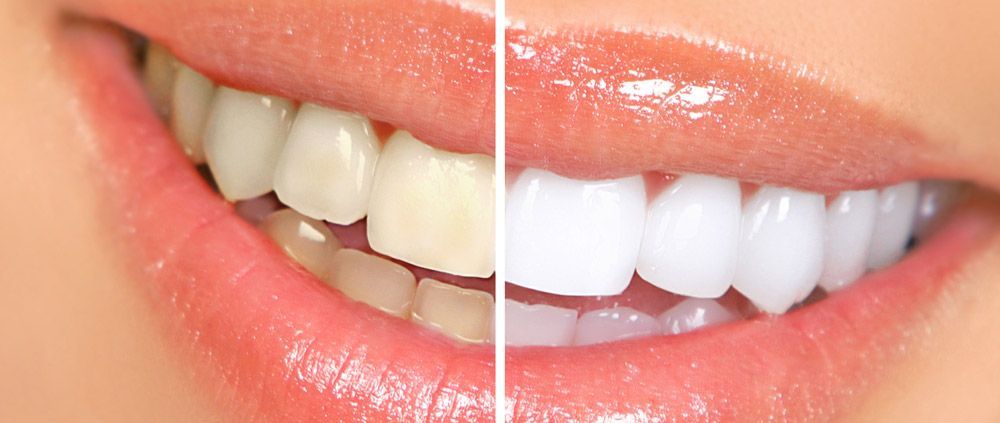
Professional tooth whitening is a cosmetic dental treatment designed to lighten the shade of your teeth by reducing staining and discolouration.
Professional whitening treatments work by using carefully controlled whitening agents to break down stains within the tooth structure, creating a brighter and more refreshed appearance. Importantly, professional whitening is designed to enhance your natural tooth colour. The goal is a healthy, natural looking result that suits you.
How does it work?
Professional whitening treatments use specially formulated whitening gels containing ingredients such as hydrogen peroxide or carbamide peroxide.
These whitening agents penetrate the outer layers of the tooth and break down molecules responsible for staining and discolouration. This process gradually lightens the shade of the teeth while preserving the natural tooth structure.
Pre treatment and assessment
Before any whitening treatment begins, your dentist will first ensure that your teeth and gums are healthy. This assessment is an important part of professional whitening and helps ensure the treatment is both safe and effective.
If there are signs of tooth decay, gum disease, or untreated dental problems, these will usually need to be addressed before whitening begins.
Your appointment may include:
- A clinical examination of your teeth and gums
- Identifying any fillings, crowns, or restorations
- X-rays to check for signs of decay
- Discussing the type of staining present
- Talking through your expectations and desired outcome
Does tooth whitening work on all stains?
Tooth whitening is preferable when you have extrinsic stains. These are mild to moderate stains that occur when the enamel (the outermost layer of your teeth) becomes discoloured over time due to food/drink stains, overconsumption of alcohol, tobacco, and poor oral hygiene. In most cases, a combination of these is the cause of extrinsic staining.
If you have intrinsic stains, however, typical whitening treatments might not be appropriate. Intrinsic stains occur when the discolouration affects layers of the tooth deeper than the enamel. They are most commonly the result of dental trauma, ageing, overexposure to fluoride, and the use of certain medications.
If you have intrinsic staining and the colour of your teeth is causing you distress, there are still options available to you like composite bonding and veneers. However, these alternatives will involve more extensive dental work.
An experienced dentist will conduct a thorough clinical examination of your teeth before discussing the most appropriate path forward for you.
Is tooth whitening safe?
Yes. When conducted by an experienced dental professional, tooth whitening is perfectly safe and a much more effective treatment than at home options.
This is because your dentist will only go ahead with treatment if they are certain your teeth will respond well and not suffer any damage.
How much does tooth whitening cost?
The cost of your treatment will depend on a wide range of factors including:
- The type of treatment recommended
- The extent of whitening required
- Whether you require additional treatment before whitening
Can you whiten a crowned tooth?
No. Whitening only works on natural teeth.
If you are interested in whitening your teeth and you have an existing crown, this may need to be replaced to match the colour of your teeth following treatment.
Your dentist will always discuss your options before a treatment plan is put in place. We will never go ahead with your tooth whitening unless you are wholly comfortable with the proposed treatment.
Can you whiten a dead tooth?
It is possible to brighten a dead tooth but not with surface whitening treatments. A dead tooth is one that has lost its blood supply and therefore the discolouration will be intrinsic. In most cases, you may need to have an external shell fitted over the surface of the tooth like a veneer or composite bonding.
The most common cause of dead teeth is previous dental trauma from an accident, and combined with grey discolouration to the tooth, it can lead to understandable anxiety surrounding the dentist.
If you suffer from a dental phobia as a direct result of your injury then it’s vital you find an experienced Dental Phobia Certified dentist who can administer your treatment with the care and attention you deserve throughout the treatment process.
Should you whiten your teeth from home?
Many patients try to whiten their teeth from home which can be tempting as it is an affordable option that can be accessed easily from pharmacies. However, alongside being less effective, home whitening kits can cause further damage to your teeth if they are not in a suitable condition to undergo whitening.
Although the side effects of at home whitening are few, it is always recommended that you seek clinical assessment of your teeth first.
Will tooth whitening make your teeth sensitive?
It is perfectly normal to experience temporary tooth sensitivity following a tooth whitening treatment. This is because hydrogen peroxide soaks through your enamel and may come into contact with nerve endings.
Although this might sound concerning, it is completely harmless.
You may experience sensitivity 24-48 hours after a whitening treatment when doing the following:
- Eating hot or cold foods
- Drinking hot or cold drinks
- Eating or drinking anything acidic or sugary
- Brushing your teeth
If the pain persists beyond 48 hours, contact your dentist for advice.
How long does tooth whitening last?
The results of professional tooth whitening can often last several years, although this varies from person to person.
With minimal at-home care, results can last for around six months to a year. With proper, conscious maintenance, the effects can last even longer. Individual teeth whitening syringes can also be purchased to top up teeth whitening at home, if they become stained from every day environment wears.
Aftercare for whitened teeth
Whitened teeth are prone to stain again if they aren’t cared for properly but there are plenty of things you can do to prolong the results and make the most of your brightened smile:
Practice basic dental hygiene: Brush your teeth twice a day with a dentist approved whitening toothpaste.
Avoid foods that are likely to cause staining: Tea, coffee, red wine, soy sauce, curry powder.
Will you need repeat treatment?
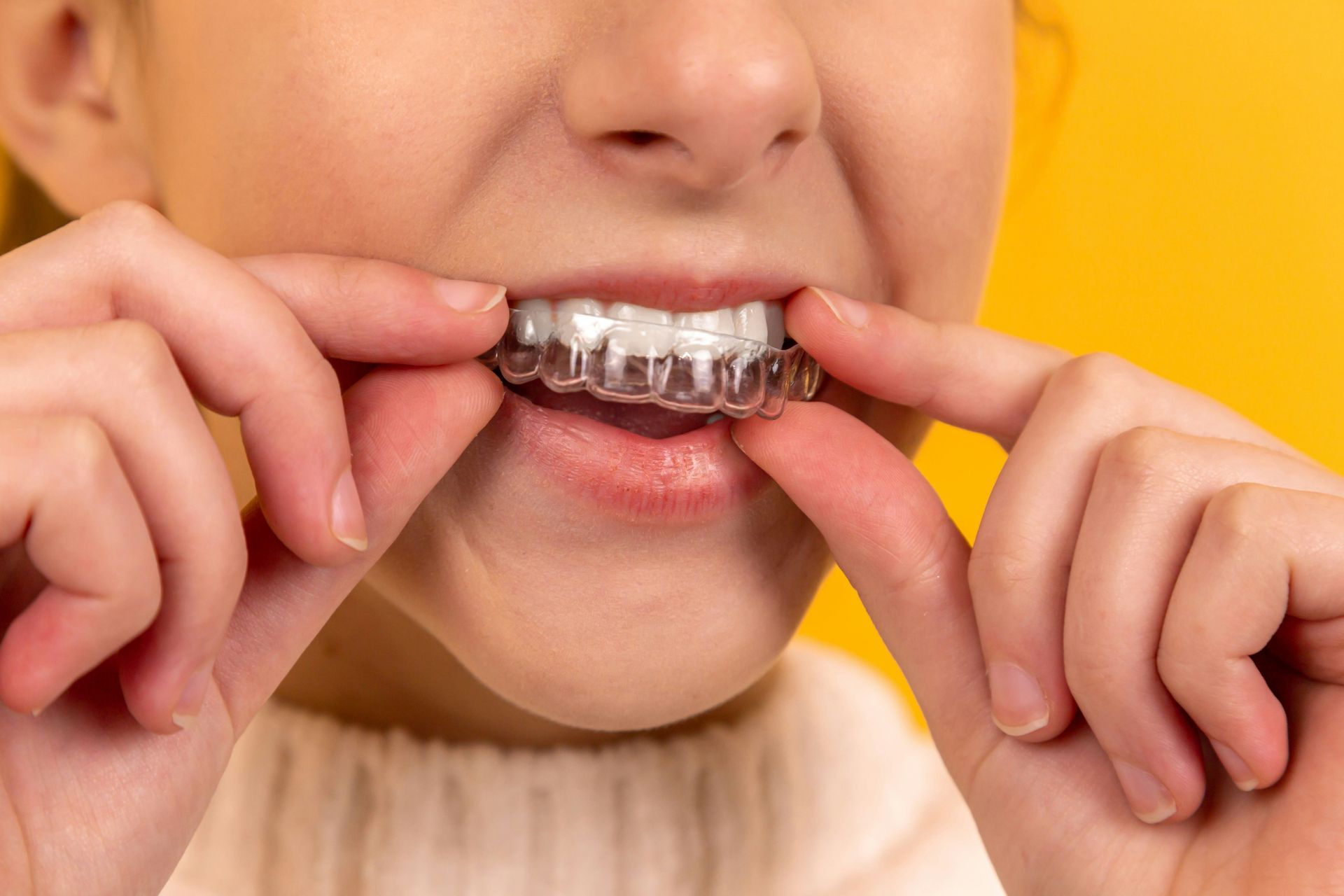
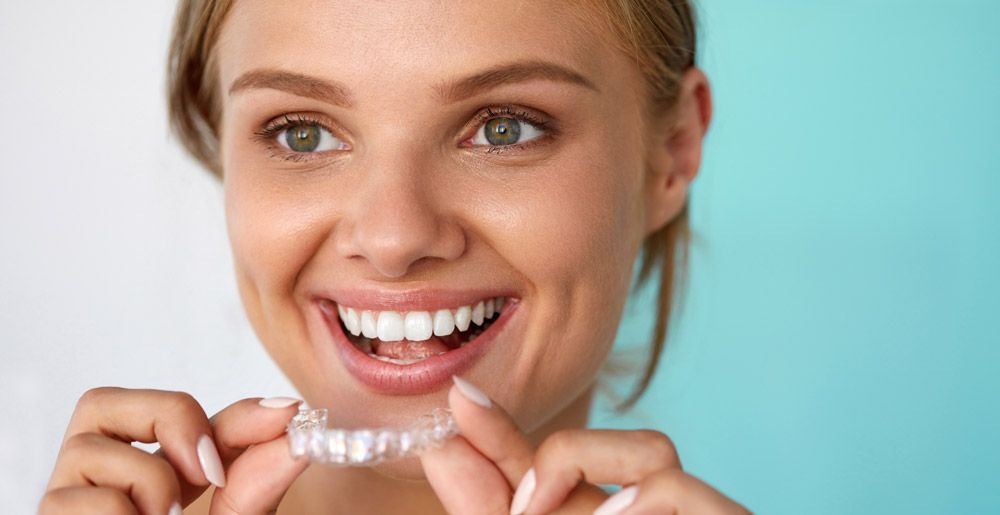
Over time, some gradual darkening is natural. Many patients choose to have occasional top up whitening treatments to maintain their results. If you have custom whitening trays, these can often be reused for future maintenance under your dentist’s guidance.
Your dentist will advise you on how frequently repeat treatment may be appropriate based on your individual results and lifestyle.
When might you not be suitable for tooth whitening?
Unfortunately, not everyone is suitable for professional tooth whitening. Following assessment with a dental hygienist or your clinical examination, you might be deemed ineligible if:
- You have cavities: Cavities can be worsened with whitening and will need to be treated prior to any whitening treatment.
- You have sensitive teeth: If you have exposed roots, whitening your teeth can cause pain in your daily life.
- Your gums are receding: Receding gums can be a sign of poor dental hygiene and can be made worse with whitening treatment.
- You have intrinsic staining: Surface whitening techniques are unlikely to work on deep stains.
Preparing for treatment
Being well prepared can help you feel more confident and comfortable throughout the whitening process.
Your dentist will explain:
- What results are realistically achievable
- How long treatment is likely to take
- How to use whitening trays safely if treatment is carried out at home
- What you can do to minimise sensitivity
Some patients may also benefit from a professional hygiene appointment before whitening, as removing surface staining and plaque can help improve results.

Tooth whitening and dental phobia
If you struggle with dental phobia, it’s understandable that you would be nervous approaching a dentist about tooth whitening, particularly if your phobia is inflamed with feelings of embarrassment surrounding the condition of your teeth. It’s important to remember that dentists exist to help you, and their primary concern will always be your comfort and health.
However, we would always recommend seeking a Dental Phobia Certified dentist who will be able to lead your treatment with compassion and work alongside you in a safe environment.
And, if you still feel anxiety, we would urge you to hold onto the fact that cosmetic treatments are your choice that you have complete control over. If you are uncomfortable or wish to pause treatment at any time, you can discuss this with your dentist in a safe environment.
At West Grove Dental, we have extensive experience in helping patients with dental phobia feel safe, understood, and in control as we work towards giving you a whiter, brighter smile. Every aspect of your care is guided by compassion and a commitment to moving at a pace that feels right for you. If you live in the Cardiff area and are seeking the effects of cosmetic dentistry, please reach out and book an appointment today. You are in safe hands.