Dental Hygiene In Cardiff.
Gum Disease.
Gum disease is extremely common and is one of the leading causes of tooth loss in adults. Early gum disease, known as gingivitis, can cause red, swollen or bleeding gums, although some people may experience very few noticeable symptoms.
It is primarily caused by a build-up of plaque bacteria around the teeth and gum line. If plaque is not removed effectively, it can harden into tartar, which cannot be removed by brushing alone.
If left untreated, gingivitis can progress to periodontitis, a more serious form of gum disease that affects the tissues and bone supporting your teeth and can eventually lead to loose teeth or tooth loss.
Gum disease has also been associated with wider health conditions, including cardiovascular disease and diabetes. Regular hygiene appointments, combined with effective cleaning at home, can help prevent and manage gum disease and maintain healthier teeth and gums.
Regular appointments with a dental hygienist play an important role in preventing gum disease, identifying early signs of problems and helping to manage existing gum conditions before they progress.
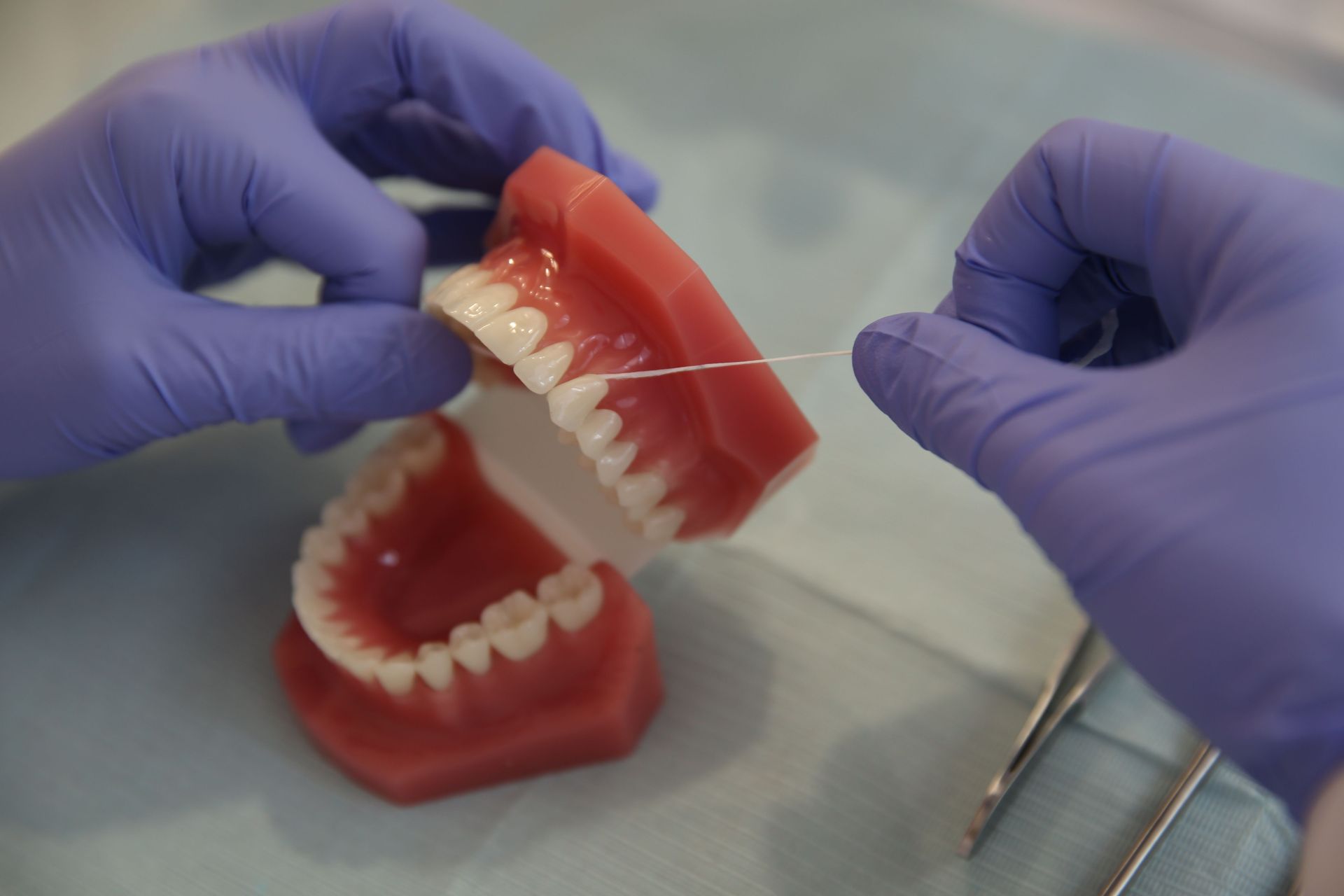
Good oral care also continues at home. Our hygienists provide personalised advice based on your individual needs, including effective brushing techniques, cleaning between the teeth with interdental brushes or floss, and guidance on areas that may need extra attention.
We can also offer advice on diet and other preventive measures to help reduce the risk of tooth decay and gum disease. By combining professional hygiene care with an effective daily oral-care routine, we can help you maintain healthier teeth and gums for the long term.
What Happens During a Hygienist Appointment?
Our dental hygienists play an important role in helping you maintain healthy teeth and gums. During your appointment, your hygienist will assess your gum health, identify areas where plaque and tartar are accumulating and provide professional cleaning tailored to your individual needs.
In the scaling phase, both hard and soft deposits are removed using hand instruments and an ultrasonic scaler. Plaque is a sticky film of bacteria that continually forms on the teeth. If it is not effectively removed, it can harden into tartar (calculus), which cannot be removed through normal brushing alone and can contribute to gum inflammation and gum disease.
Once your teeth have been thoroughly cleaned, they are polished to help remove surface staining and leave your mouth feeling fresh and clean.
Professional hygiene appointments can help prevent and manage gum disease, reduce plaque and tartar build-up, improve gum health and remove some surface staining. Your hygienist can also provide personalised advice on brushing, interdental cleaning and maintaining your oral health between appointments.
If you have dental implants, regular professional hygiene care is particularly important. Your hygienist can help you clean effectively around your implants and monitor the health of the surrounding gums and tissues to support their long-term maintenance.
How Often Should I See a Dental Hygienist?
How often you should attend depends on your individual oral health. Some patients may benefit from appointments every three to six months, while others may require a different interval depending on their gum health, plaque levels, implants and risk of gum disease.
Your dental team can recommend a hygiene schedule based on your individual needs and help you maintain healthy teeth and gums between visits.
Frequently Asked Questions About Dental Hygiene.
Direct Access Dental Hygiene – No Dentist Referral Needed
You do not need to be registered with West Grove Dental or have a referral from a dentist to book a hygiene appointment with us.
Thanks to Direct Access, you can book directly with one of our dental hygienists whether you are registered with another dental practice, have no dentist at all, or simply want to visit us for professional dental hygiene care.
Previously, hygienist appointments generally needed to be provided under the prescription of a dentist. Direct Access means patients can now access appropriate hygiene services directly, making it easier and more convenient to look after their oral health.
It is important to understand that a Direct Access hygiene appointment does not replace a dental examination. Your hygienist can assess your gum health and provide appropriate hygiene care within their scope of practice, but regular dental examinations with a dentist remain important for assessing your overall dental and oral health.
If your hygienist identifies anything that requires assessment or treatment by a dentist, they will advise you accordingly.