Composite Bonding In Cardiff.
Composite Bonding.
Composite bonding is a cosmetic dental treatment that uses tooth-coloured composite resin to enhance the appearance of your natural teeth. The material is carefully applied directly to the tooth and sculpted by your dentist to create subtle, natural-looking improvements to your smile.
Composite bonding can be used to address a variety of cosmetic concerns, including chipped or worn teeth, small gaps between teeth, uneven edges, differences in tooth shape or size and certain areas of discolouration. It can also be used to improve the proportions and symmetry of your smile.
One of the main advantages of composite bonding is that it is a minimally invasive treatment. In many cases, little or no removal of healthy tooth structure is required, making it a conservative option for patients who would like to improve their smile.
Composite bonding does have limitations. The material is not as resistant to staining or wear as porcelain and can chip, stain or wear over time. Whether bonding is right for you will depend on your teeth, bite, oral health and the changes you would like to achieve.
Designed Around Your Smile.
No two smiles are the same, so your composite bonding treatment will be planned around your individual teeth, facial features and personal preferences. The aim is to enhance your natural smile while creating a result that looks balanced and complements your overall appearance.
Composite bonding and porcelain veneers can both be used to change the shape, size, colour and appearance of teeth, but there are important differences. With composite bonding, resin is applied and shaped directly onto the natural tooth and usually requires minimal alteration to the tooth underneath. It can also often be repaired or adjusted if required.
Porcelain veneers are individually made restorations that are bonded to the front surfaces of the teeth. They are generally more resistant to staining and wear than composite and may offer greater longevity, but treatment usually requires additional appointments and may involve some preparation of the natural teeth.
Composite bonding does not last indefinitely. Its lifespan varies between patients and can be affected by your bite, oral hygiene, diet and habits such as grinding or clenching. Over time, bonding may require professional polishing, repair or replacement.
Good aftercare can help maintain your bonding. Brush twice daily with fluoride toothpaste, clean between your teeth regularly and continue attending your recommended dental and hygiene appointments. Avoid biting particularly hard objects or using your teeth to open packaging. Tea, coffee, red wine and smoking can contribute to staining, while patients who grind their teeth may be advised to wear a night guard.
Transform Your Smile in Just One Visit.
One of the main benefits of composite bonding is the speed of treatment. Depending on the number of teeth being treated and the changes required, bonding can often be completed in a single appointment, allowing you to see the results on the same day.
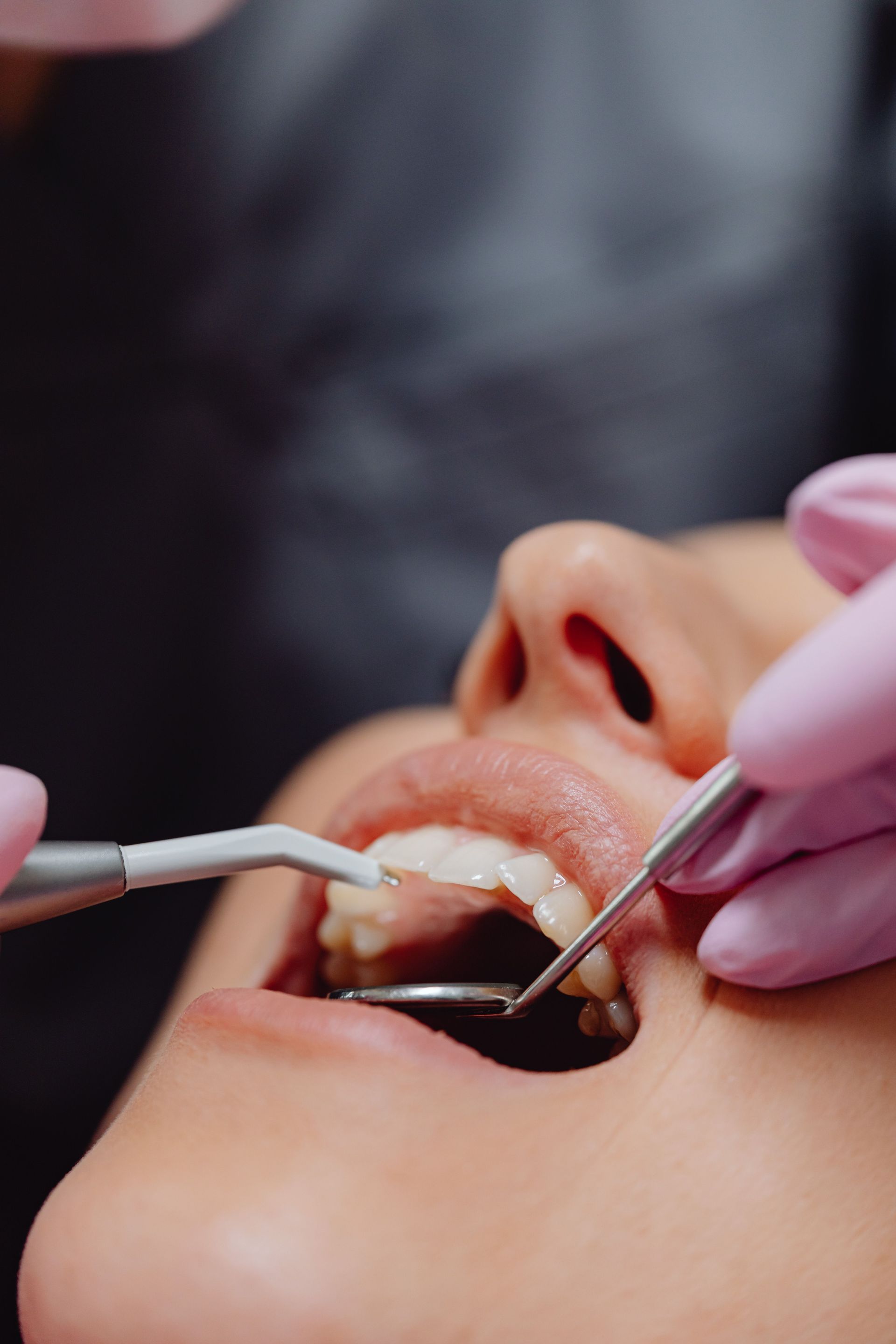
Your dentist will select a composite shade to complement your natural teeth. The tooth surface is carefully prepared before the composite resin is applied in layers. The material is then carefully shaped and sculpted to achieve the planned size, shape and proportions before being hardened and polished to create a smooth, natural-looking finish.
Treatment time will depend on the number of teeth being treated and the complexity of the changes required. As composite bonding is generally minimally invasive, there is usually little downtime afterwards, and your dentist will provide advice on caring for your new smile.
Ready to Transform Your Smile?
Before beginning composite bonding at West Grove Dental, you will have a consultation with our cosmetic dentist, Dr Charlotte George. This gives you the opportunity to discuss what you would like to change about your smile and the results you hope to achieve.
Charlotte will assess your teeth, gums, bite and overall oral health to determine whether composite bonding is suitable for you. She will consider the position, shape, size and colour of your teeth and explain what can realistically be achieved.
Your consultation is also an opportunity to explore your options. Depending on your individual needs and smile goals, treatments such as professional teeth whitening, orthodontic treatment or porcelain veneers may also be discussed.
If composite bonding is suitable for you, your treatment will be carefully planned before you proceed. You will have the opportunity to ask questions and understand the expected results, benefits, limitations and long-term maintenance involved.
Book your composite bonding consultation at West Grove Dental in Cardiff and discover how we could help you enhance your smile.
Frequently Asked Questions About Composite Bonding.
Interested in our services? We’re here to help!
We want to know your needs exactly so that we can provide the perfect solution. Let us know what you want and we’ll do our best to help.