
What Causes Bleeding Gums?
Bleeding gums aren't normal. Discover the common causes, when to seek treatment and how you can protect your gum health.
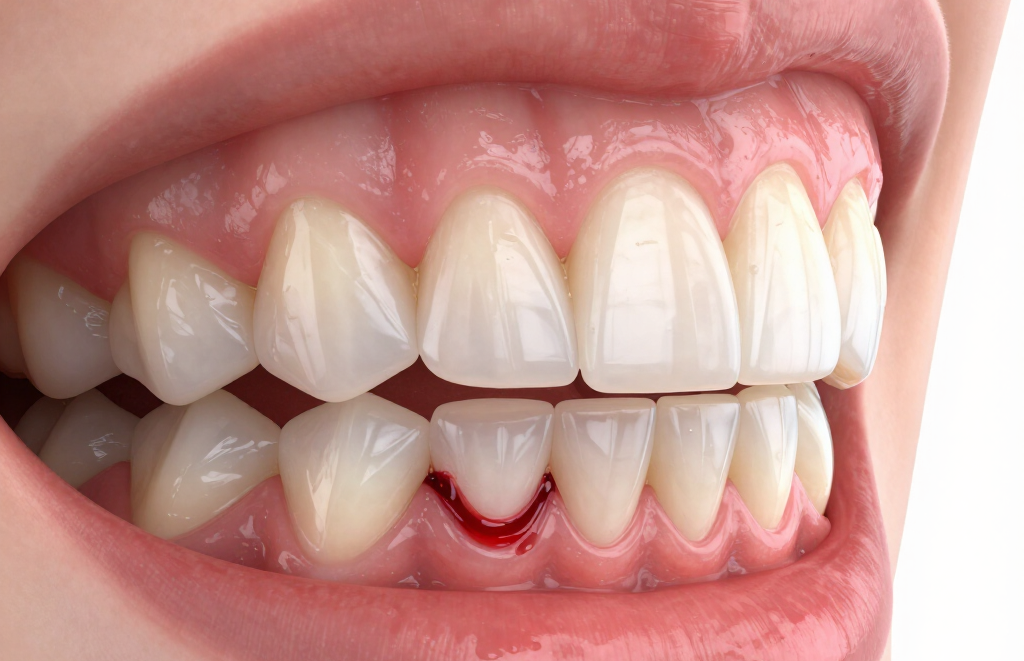
The most common cause of bleeding gums is a build-up of plaque around the gum line. Plaque contains bacteria that irritate the gums, leading to inflammation known as gingivitis.
Other causes can include:
- Inconsistent brushing or flossing
- Brushing too hard
- Smoking or vaping
- Hormonal changes during pregnancy
- Certain medications
- Medical conditions that affect the immune system
The good news is that, when caught early, gingivitis is usually reversible with good oral hygiene and professional care.
Should I Stop Brushing If My Gums Bleed?
No. Although it may seem like the right thing to do, avoiding the area can actually make the problem worse.
Continue brushing twice a day using a soft-bristled toothbrush, clean between your teeth daily with floss or interdental brushes, and attend regular hygiene appointments. If the bleeding continues for more than a week or two, it's important to have your gums assessed by a dental professional.
What Happens If I Ignore Bleeding Gums?
Untreated gingivitis can progress to gum disease (periodontitis). This is a more advanced condition that affects the bone supporting your teeth.
Signs of progressing gum disease include:
- Persistent bleeding gums
- Red, swollen or tender gums
- Bad breath that doesn't go away
- Receding gums
- Loose teeth
- Pain when chewing
Advanced gum disease can eventually lead to tooth loss if left untreated, which is why early intervention is so important.
How Can a Hygienist Help?
A dental hygienist is specially trained to help prevent and treat gum disease.
During your appointment, your hygienist will:
- Remove plaque and tartar build-up
- Clean hard-to-reach areas
- Assess the health of your gums
- Provide personalised advice on brushing and cleaning between your teeth
- Help prevent gum disease from progressing
Regular hygiene appointments don't just keep your smile looking clean—they play an essential role in protecting your long-term oral health.
You Don't Need to Be One of Our Patients
At West Grove Dental, we offer Direct Access Hygiene Appointments, which means you can book to see one of our experienced dental hygienists without being registered as a patient at our practice and without seeing a dentist first.
Whether you're concerned about bleeding gums, want a professional clean, or simply haven't had a hygiene appointment for a while, we're here to help.
When Should You Book an Appointment?
You should arrange a hygiene appointment if:
- Your gums bleed regularly when brushing or flossing
- Your gums feel swollen or sore
- You have persistent bad breath
- It's been more than six months since your last hygiene visit
- You want to keep your gums and teeth as healthy as possible
Don't Ignore the Signs
Bleeding gums are often an early warning sign that your mouth needs a little extra care. The earlier the problem is addressed, the easier it usually is to treat.
If you've noticed bleeding when brushing or flossing, why not let our friendly team help? Whether you're already a patient or simply looking for a professional hygiene appointment, our team at West Grove Dental is here to support you in achieving a healthier smile.
Book your Direct Access Hygiene Appointment today and take the first step towards healthier gums.