IV Dental Sedation: Everything You Need to Know

Nicola Taaffe • July 7, 2026

IV Dental Sedation Cardiff | Stress-Free Treatment for Nervous Patients 
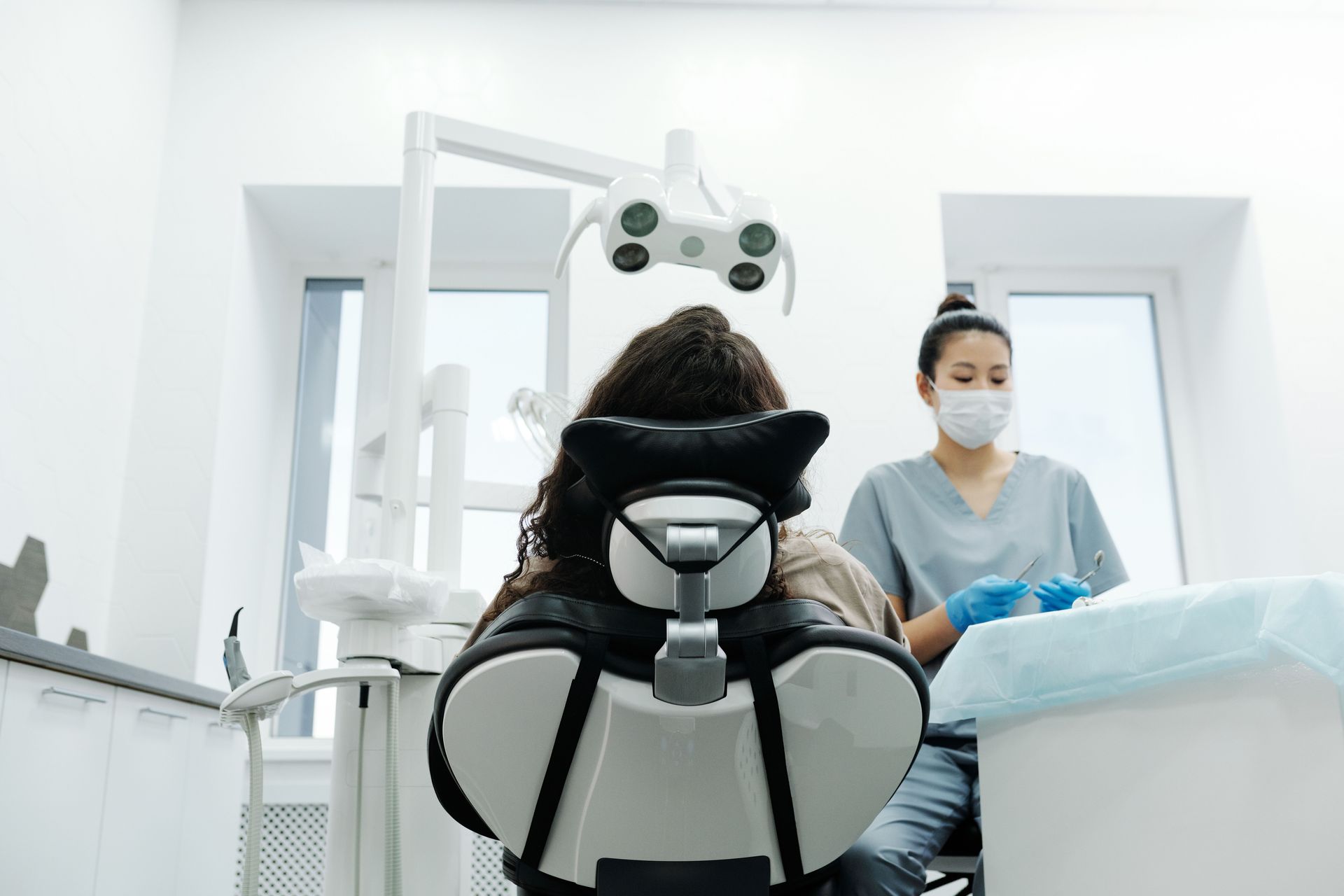
Person waiting for treatment in dental chair

For many people, visiting the dentist is something they put off for months—or even years. Whether it's a fear of needles, a previous negative experience, or simply feeling anxious about dental treatment, you're certainly not alone.

Research suggests that around one in three people experience some degree of dental anxiety, with many avoiding appointments altogether. Unfortunately, delaying dental treatment often allows small problems to become larger, more complex, and more expensive to treat.


At West Grove Dental, we believe that fear should never stand in the way of a healthy smile. Our compassionate team regularly helps nervous patients regain confidence through gentle, understanding care, and for many people, IV conscious sedation can make treatment feel much more manageable.


What is IV dental sedation?


IV (intravenous) sedation is a safe and effective technique that helps you feel deeply relaxed throughout your dental treatment. The sedative medication is administered through a small cannula placed in a vein in your arm or hand, allowing your dentist to carefully adjust the level of sedation during your appointment.


Unlike a general anaesthetic, you remain conscious throughout your treatment. You'll still be able to respond to simple questions and instructions, but you'll feel calm, relaxed and much less aware of what's happening around you.

Many patients describe the experience as feeling as though the appointment passed in just a few minutes and often remember very little about it afterwards.


Who is IV sedation suitable for?


IV sedation can be an excellent option for patients who:


  • Experience moderate to severe dental anxiety or phobia
  • Have had previous traumatic dental experiences
  • Feel nervous about injections or dental procedures
  • Have a strong gag reflex
  • Require lengthy or more complex dental treatment
  • Have avoided the dentist for many years because of fear

Every patient is different, so your dentist will carry out a thorough assessment to determine whether IV sedation is suitable for you.


What treatments can be carried out under IV sedation?


IV sedation can be used for a wide range of dental procedures, including:

  • Dental implants
  • Tooth extractions
  • Wisdom tooth removal
  • Root canal treatment
  • Crowns and bridges
  • Multiple treatments completed during one appointment
  • Complex restorative dentistry


For many nervous patients, sedation transforms what would otherwise feel overwhelming into a calm, comfortable experience.


What does IV sedation feel like?


Patients often ask whether they'll be asleep.

The answer is no.


IV conscious sedation allows you to remain awake while feeling deeply relaxed. You may feel sleepy, peaceful and unconcerned about what's happening around you, but you'll still be able to communicate with your dentist if needed.


Many people also experience temporary short-term memory loss, meaning they remember very little of the treatment afterwards. This is completely normal and one of the reasons many anxious patients find IV sedation so reassuring.


Is IV sedation safe?


Yes. IV conscious sedation has been used safely in dentistry for many years and is provided by appropriately trained clinicians following strict clinical guidelines.


Before your appointment, your dentist will:

  • Review your medical history
  • Discuss any medications you take
  • Explain the procedure in detail
  • Answer all of your questions
  • Confirm that IV sedation is appropriate for you


During treatment, your pulse, oxygen levels and overall wellbeing are continuously monitored, allowing your dental team to keep you comfortable and safe throughout your appointment.


Preparing for your IV sedation appointment


Before your treatment, you'll receive personalised instructions from our team to help you prepare.

In most cases, you'll be advised to eat a light meal a few hours before your appointment rather than arriving on an empty stomach. You'll also be encouraged to stay well hydrated and continue taking your usual medications unless your dentist advises otherwise.


Because IV sedation can leave you feeling drowsy for several hours afterwards, you'll need a responsible adult to accompany you home and remain with you for the rest of the day.


You should also arrange time to rest after your appointment and avoid driving, operating machinery, drinking alcohol or signing important documents until the effects of the sedation have completely worn off.


Will I feel any pain?


IV sedation helps you feel calm and relaxed, but it doesn't replace local anaesthetic.

Your dentist will gently numb the treatment area using a local anaesthetic to ensure your procedure is as comfortable as possible. The combination of IV sedation and local anaesthetic allows many patients to receive treatment with little or no discomfort.


Recovery after IV sedation


Recovery is usually straightforward.

You'll spend a short time relaxing in the practice until your dentist is happy for you to go home.

Although you'll probably feel much better later the same day, the sedative medication can continue to affect your judgement and coordination for several hours. For this reason, it's important to follow all of the aftercare advice provided by your dental team.

Most patients return to their normal routine the following day.


Frequently Asked Questions


Will I be asleep?

No. IV conscious sedation keeps you awake but deeply relaxed throughout your treatment. You'll still be able to respond to your dentist, although many patients remember very little of the appointment afterwards.


Can I eat before my appointment?

Yes. We'll provide you with personalised instructions before your appointment. In most cases, you'll be advised to eat a light meal a few hours before your treatment and avoid heavy meals immediately beforehand. We'll also let you know whether you should take your usual medications on the day of your appointment.


Is IV sedation suitable for everyone?

Not always. Before recommending IV sedation, your dentist will carefully assess your medical history, medications and overall health to ensure it's the right option for you.


Will I need someone to take me home?

Yes. Because the effects of IV sedation can last for several hours, you'll need a responsible adult to accompany you home and stay with you for the remainder of the day.


Will I remember my treatment?

Many patients have very little memory of their appointment after IV sedation. This temporary memory loss is a normal effect of the medication and is often one of the reasons anxious patients feel more comfortable choosing sedation.


Helping Nervous Patients Feel Comfortable

At West Grove Dental, we understand that dental anxiety is real. That's why we take the time to listen to your concerns, explain every stage of your treatment and move at a pace that feels comfortable for you.


Our aim isn't simply to complete your dental treatment—it's to help you build confidence in visiting the dentist again.

Whether you need a routine procedure or more complex dental care, IV conscious sedation may allow you to receive treatment in a calm, relaxed environment without the fear that has prevented you from seeking help in the past.


If you've been avoiding the dentist because of anxiety, we'd be delighted to discuss how IV sedation could help. Contact our friendly team today to arrange a consultation and take the first step towards comfortable, stress-free dental care.
November 9, 2026
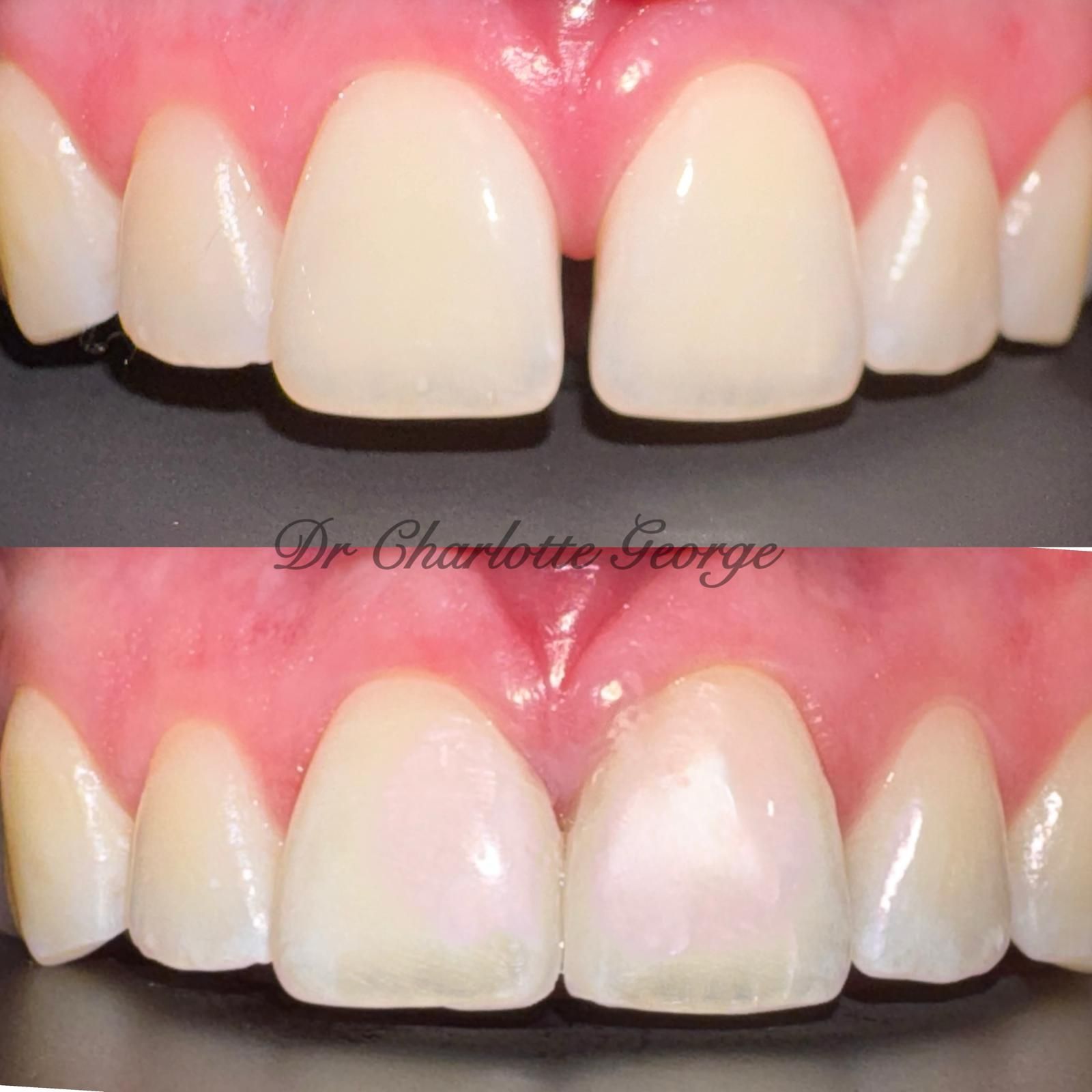
A small chip in your front tooth or a gap that catches your eye whenever you smile can affect your confidence more than you might expect. The good news is that improving these imperfections doesn't always require complicated dental treatment.  At West Grove Dental , we offer composite bonding in Cardiff as a straightforward, minimally invasive way to improve the appearance of your teeth. Whether you've chipped a tooth or would like to reduce a small gap, composite bonding could help you feel more confident about your smile. But is it suitable for everyone? Let's explore what composite bonding can achieve, what results you can realistically expect and when another treatment might be better. What Is Composite Bonding? Composite bonding is a cosmetic dentistry treatment that uses tooth-coloured composite resin to reshape or repair teeth. The material is carefully applied to the tooth, shaped to achieve the desired appearance and hardened using a special curing light. Your dentist then polishes the bonding so it blends naturally with your surrounding teeth. One of the biggest advantages is that composite bonding usually requires little or no removal of healthy tooth enamel. It's also generally completed in a single appointment, making it a convenient option for patients who want to improve their smile without extensive treatment. Can Composite Bonding Fix Chipped Teeth? Yes! Composite bonding for chipped teeth is a popular solution, particularly when the damage is relatively minor. Teeth can become chipped for several reasons, including accidentally biting something hard, sporting injuries or everyday wear. Even a small chip can leave a tooth looking uneven or feeling rough against your tongue. With composite bonding, we can carefully rebuild the missing section using resin matched to your natural tooth colour. This can help: Restore the appearance of a chipped front tooth Smooth rough or uneven tooth edges Improve the shape of a slightly damaged tooth Create a more balanced, natural-looking smile For smaller chips, the results can be particularly subtle. The aim is to make the repaired area blend with your existing tooth rather than look noticeably different. However, not every chipped tooth can be repaired with bonding. If the damage is extensive, the tooth is weakened or a crack extends deeper into its structure, a dental crown or another restorative treatment may provide better protection. That's why we always recommend having a chipped tooth assessed before deciding on treatment. Can Composite Bonding Close Gaps Between Teeth? If you've noticed a small space between your front teeth, you might be wondering whether braces are your only option. Fortunately, composite bonding for gaps in teeth can sometimes provide an alternative. Rather than physically moving your teeth, bonding adds a carefully shaped layer of composite resin to one or both teeth bordering the gap. This makes the space appear smaller or closes it altogether. Composite bonding may be suitable when: You have a small gap between your front teeth Your teeth are naturally narrow or slightly uneven You want to improve symmetry without orthodontic treatment Your teeth and gums are healthy The size of the gap matters, though. Closing a larger space with bonding alone could make your teeth appear unnaturally wide. If several teeth are misaligned or the gaps are significant, orthodontic treatment such as Invisalign may offer a more balanced result. At West Grove Dental, we'll discuss your options and help you understand which approach suits your smile. What Results Can You Realistically Expect? Composite bonding can make a noticeable difference, but it's important to have realistic expectations. For suitable patients, bonding can create smoother edges, improve tooth proportions and reduce small gaps while maintaining a natural appearance. However, composite resin isn't as strong as natural tooth enamel and isn't a permanent solution. Over time, bonding can stain, wear or chip, particularly if you regularly bite hard objects, grind your teeth or consume staining drinks. You may eventually need polishing, repairs or replacement. The longevity of your results depends on your oral hygiene, lifestyle habits and how much pressure your bonded teeth experience. We'll explain how to care for your bonding so you can maintain your results for as long as possible. When Might Another Dental Treatment Be Better? Although composite bonding is versatile, it isn't always the most appropriate treatment. For larger chips or heavily damaged teeth, dental crowns may offer additional strength and protection. If you're concerned about significant gaps, overcrowding or crooked teeth, Invisalign or another orthodontic treatment may be more suitable because it addresses tooth positioning rather than simply changing appearance. Porcelain veneers may also be considered for certain cosmetic concerns. And if a chipped tooth is painful, sensitive or affected by decay, we'll need to address the underlying dental problem first. Our priority is always to recommend treatment that's appropriate for your oral health, not simply the quickest cosmetic option. Nervous About Dental Treatment? We're Here to Help We understand that visiting the dentist can feel daunting, especially if you've experienced dental anxiety in the past. At West Grove Dental, our friendly, supportive team takes the time to listen to your concerns and explain your treatment options clearly. If you're looking for a dentist for nervous patients in Cardiff, we want you to feel comfortable asking questions, discussing worries and taking things at your own pace. Composite bonding is generally a gentle procedure and often doesn't require injections or drilling, although this depends on your individual circumstances. There's no pressure to commit to treatment. We're here to help you make an informed decision about your smile. Book Your Composite Bonding Consultation in Cardiff Whether you're concerned about a chipped tooth, an unwanted gap or uneven edges, composite bonding could be a simple way to improve your smile. At West Grove Dental, we'll assess your teeth, listen to what you'd like to change and explain whether bonding is right for you. Our welcoming team is here to make your experience as comfortable and reassuring as possible. Ready to explore your options? Book your composite bonding consultation at West Grove Dental today and take the first step towards a smile you feel happy sharing.
October 26, 2026
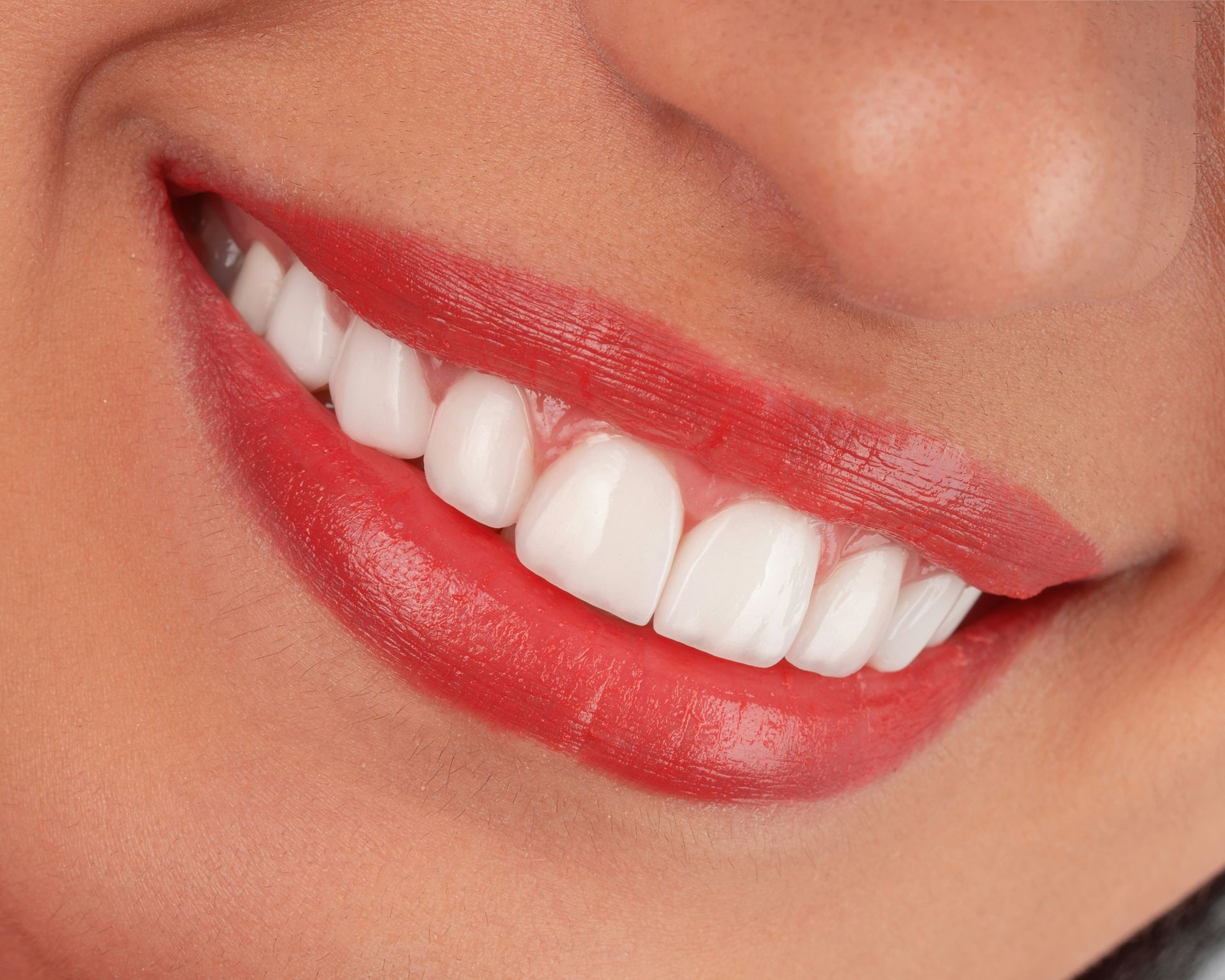
A brighter, whiter smile is something many of us would love. Whether your teeth have become stained from years of tea and coffee or you're simply looking to refresh your smile, teeth whitening can make a noticeable difference. With so many DIY whitening kits, strips and online products available, it's tempting to try achieving that brighter smile at home. After all, they often promise impressive results at a fraction of the price of professional treatment. But do they actually work? And more importantly, are they safe? At West Grove Dental , we offer professional teeth whitening in Cardiff to help patients achieve brighter smiles without compromising their dental health. Let's explore the differences between professional whitening and DIY kits so you can make the best choice for your teeth. Do DIY Teeth Whitening Kits Actually Work? Walk into almost any pharmacy or browse online, and you'll find plenty of teeth whitening products promising a dazzling smile. From whitening strips and gels to LED kits and charcoal toothpastes, there's certainly no shortage of options. Some products can help remove surface stains or provide modest whitening results. However, UK over-the-counter whitening products are restricted in the amount of peroxide they can contain, which limits how effectively they can change the natural colour of your teeth. The bigger concern is that not every product sold online meets UK safety standards. While DIY kits might seem convenient and affordable, they can come with risks that aren't always obvious from the packaging. The Hidden Dangers of DIY Teeth Whitening Before reaching for that bargain whitening kit, it's worth understanding what could go wrong. 1. Tooth Sensitivity and Gum Irritation Whitening products used incorrectly can cause uncomfortable sensitivity, particularly when gels come into contact with your gums. Poorly fitting trays can make this more likely. 2. Potential Damage to Tooth Enamel Highly acidic products and abrasive whitening methods can wear away enamel over time. Once enamel is lost, it cannot grow back naturally. 3. Uneven or Disappointing Results Not all discolouration responds equally to whitening. DIY products may leave you with patchy results, particularly if you have fillings, crowns or veneers, which won't whiten like natural teeth. 4. Unregulated Whitening Products Some whitening kits purchased from overseas websites may contain unsafe concentrations of bleaching agents or ingredients that don't comply with UK regulations. Using these without professional supervision can put your teeth and gums at risk. 5. Missing Underlying Dental Problems Discolouration isn't always caused by coffee or tea. Sometimes it can indicate tooth decay, damage or other dental concerns. Whitening without identifying these issues could delay the treatment your teeth actually need. Why Is Professional Teeth Whitening Better? Professional teeth whitening offers something DIY kits simply can't match: treatment tailored to your smile, with your dental health in mind. If you're considering teeth whitening in Cardiff, choosing a qualified dental professional means you'll receive advice and treatment suited to your individual needs. Here's why professional whitening makes a difference. Safer Treatment Before whitening begins, we'll check your teeth and gums to make sure treatment is appropriate. Any existing dental concerns can be identified and addressed first. More Noticeable Results Professional whitening uses carefully controlled whitening agents that can lift staining and brighten your natural teeth more effectively than many shop-bought alternatives. Whether your teeth have been stained by tea, coffee, red wine or tobacco, professional treatment can help restore a fresher, brighter appearance. A Personalised Approach Everyone's teeth are different. What works beautifully for one person might not be suitable for another. We'll discuss your expectations, assess the type of discolouration and recommend an approach suited to your individual needs. Professional Guidance Whitening doesn't have to mean an unnaturally bright smile. We focus on helping you achieve natural-looking results that complement your appearance. You'll also receive advice on maintaining your results and reducing future staining. Is Professional Teeth Whitening Worth the Extra Cost? It's understandable to be tempted by a £20 whitening kit rather than investing in professional treatment. However, cheaper doesn't always mean better value. If a DIY product delivers little improvement, you may end up purchasing multiple kits. Worse still, using an unsuitable product could lead to dental problems that require additional treatment. Professional whitening is an investment in both your smile and your peace of mind. At West Grove Dental, we understand that whitening isn't always the answer. If you're concerned about deeper discolouration, chips or uneven teeth, we can discuss other cosmetic options, including composite bonding and porcelain veneers. Our priority is finding the right solution for you, rather than taking a one-size-fits-all approach. Ready for a Brighter, Healthier-Looking Smile? DIY whitening kits may offer convenience, but when it comes to achieving noticeable results safely, professional teeth whitening is the more reliable choice. If you're looking for professional teeth whitening in Cardiff, our friendly team at West Grove Dental is here to help you explore your options and feel confident about your smile. Why take unnecessary risks with your teeth when professional help is available?  Book your consultation with West Grove Dental today to discover how we can help you achieve a brighter, more confident smile.
More Posts