Is Invisalign Right for Me?
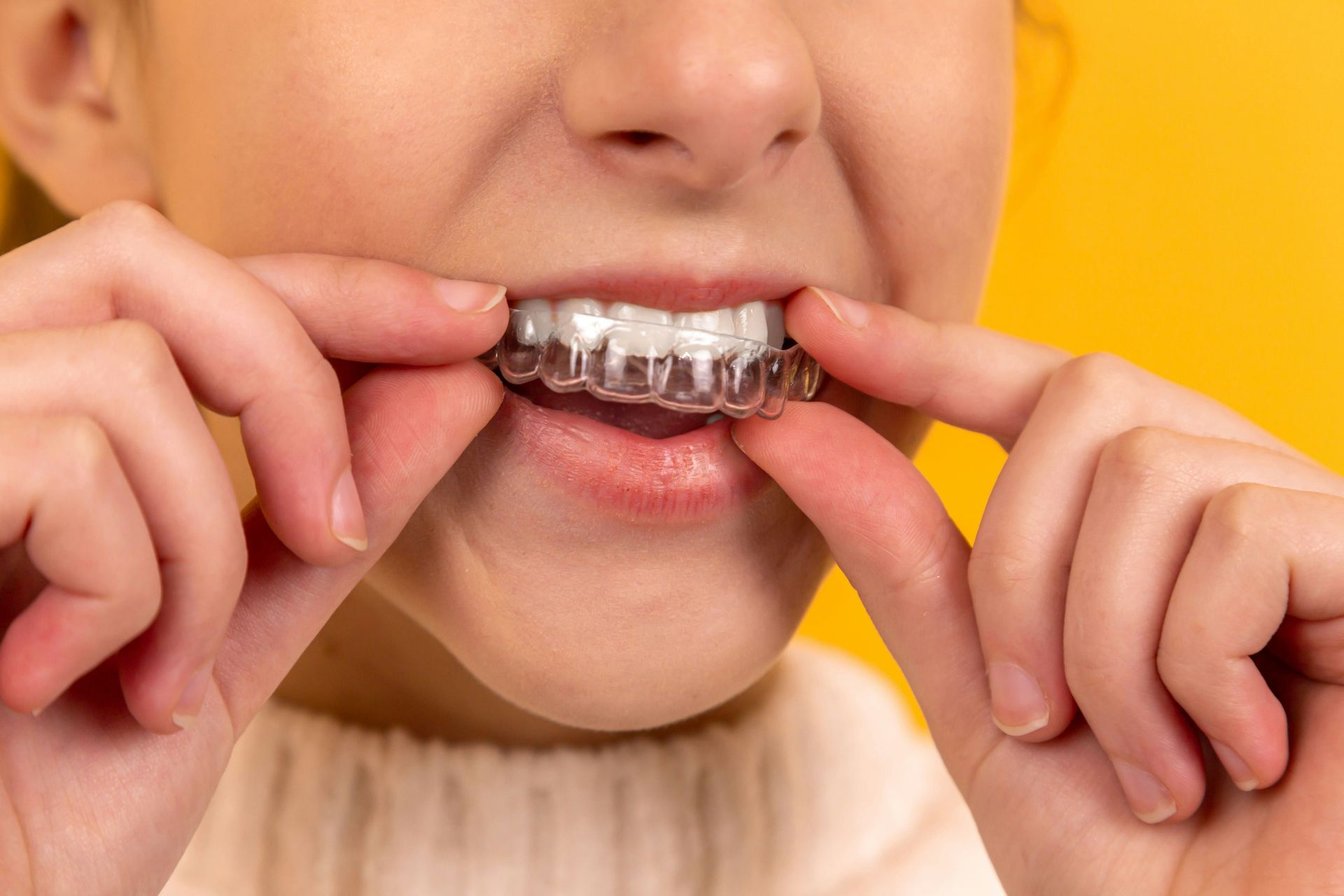
Invisalign is an orthodontic treatment designed to gradually straighten teeth over time. It uses a series of custom fitted aligners that apply gentle force to your teeth to guide them into the right place over time. As your treatment progresses, you'll move through a series of aligners, replacing them periodically as instructed by your dentist.
Whether your teeth have always been crowded or you've noticed changes over time, it's completely normal to wonder whether this treatment could help you feel more confident in your smile. At the same time, it's equally normal to have questions about what treatment involves, how it will fit into your daily life, and whether it's the right choice for your individual needs.
At
West Grove Dental, we understand that choosing any dental treatment is a significant decision. If you're considering Invisalign, this guide will help you understand what to expect and whether treatment may be right for you.
What issues does Invisalign treat?
Invisalign treats misalignments in the teeth and jaw including:
- Crowded teeth
- Overlapping teeth
- Gapped teeth
- Overbite/underbite
- Crossbite
If these are issues you are keen to correct, Invisalign might be the right treatment for you.
What to expect during treatment
One of the reasons Invisalign has become such a popular alternative to traditional braces is its simple and minimally invasive approach.
Every treatment plan is personalised, but the journey typically follows the same key stages.
Initial consultation
Your initial appointment allows your dentist to understand what you would like to achieve, assess your oral health, and determine whether Invisalign is the most appropriate treatment for your needs.
For patients who feel nervous about dental treatment, this consultation is often reassuring. There are no procedures to worry about at this stage, just an opportunity to ask questions and explore your options.
Bespoke treatment plan
If Invisalign is suitable for you, your dentist will create a personalised treatment plan based on detailed scans and measurements of your teeth.
Using advanced digital technology, you'll be able to see a visual representation of how your teeth are expected to move throughout treatment and what your future smile could look like.
Your custom aligners
Once you have agreed on the upcoming treatment, a series of custom made clear aligners will be created specifically for your teeth.
Each set is worn for a prescribed period before progressing to the next aligner in the series. The aligners apply gentle, controlled pressure to gradually move your teeth into their planned positions.
Because they are smooth and custom fitted, many patients find them more comfortable than traditional fixed braces.
Periodic check ups
Unlike traditional braces, Invisalign does not require regular tightening appointments. Instead, you'll attend periodic review appointments so your dentist can monitor progress, answer any questions, and ensure treatment is progressing as expected.
These appointments are typically quick and straightforward and may involve updating your aligners where necessary.
Aftercare
Once your treatment is complete, your dentist will discuss how to maintain your results long term.
This often involves wearing aligners at night, which help prevent teeth from gradually shifting back towards their previous positions.
Your age
Invisalign is a fantastic option for anyone who is at an age where they are able to take responsibility for their own treatment. For this reason, it is oftentimes not suitable for children but is perfect for adults and responsible teenagers.
Do you need other treatment first?
Before beginning Invisalign, your dentist will want to ensure your teeth and gums are healthy.
In some cases, treatment such as:
- A professional hygiene appointment
- Filling treatment
- Gum disease management
- Repairing damaged teeth
may be recommended before orthodontic treatment begins.
Will previous treatment impact Invisalign?
Having fillings, crowns, veneers, or previous orthodontic treatment does not automatically rule out Invisalign. However, these factors may influence how treatment is planned.
During your consultation, your dentist will assess your existing dental work and explain how it may affect your treatment options.
How committed do you need to be?
This is one of the most important aspects of Invisalign to understand because, unlike most dental treatments, Invisalign requires ongoing commitment from the patient. To achieve the best results, aligners typically need to be worn for around 20 to 22 hours each day.
They should only be removed for:
- Eating and drinking (other than water)
- Brushing and flossing
- Cleaning the aligners
How Invisalign will impact daily life
One of the biggest reasons patients choose Invisalign is that it is designed to fit around everyday life. Unlike traditional braces, the aligners are removable and discreet, allowing you to continue many of your normal routines throughout treatment.
That said, Invisalign does require some adjustments, particularly during the first few weeks as you get used to wearing your aligners.
Wearing your aligners
To achieve the best possible results, Invisalign aligners should typically be worn for 20 to 22 hours each day.
This means they will become a part of your daily routine, much like wearing contact lenses. Most patients quickly adapt to wearing their aligners and often report that they stop noticing them after a short period of time.
While the aligners can be removed, it is important to remember that consistent wear is what allows treatment to progress as planned. The more closely you follow your dentist's instructions, the more predictable your results are likely to be.
Eating and drinking
Before eating or drinking anything other than water, you'll simply remove your aligners and store them safely. This means you can continue enjoying your favourite foods without worrying about damaging brackets or wires.
That being said, you still need to be mindful when eating and drinking things that may impact tooth/gum health like carbonated drinks and foods high in sugar content.
You will also be advised to avoid foods that could stain your aligners such as:
- Coffee
- Tea
- Red wine
- Cola
- Curry
- Soy sauce
- Balsamic vinegar
Your dentist will go through these with you during your initial appointment.
Speaking
Invisalign does not impact speaking.
While you may notice a slight change to your speech during the first few days, this is usually temporary. As your tongue adapts to the aligners, most patients find their speech quickly returns to normal.
Cleaning and care
Maintaining good oral hygiene is an important part of Invisalign treatment.
Because the aligners fit closely against your teeth, it's important to brush and floss regularly and clean your aligners as instructed by your dentist.
Your will need to:
- Maintain good oral hygiene and floss daily
- Brush after meals before replacing your aligners
- Rinse the aligners after removing
- Clean your aligners before reapplying using a soft bristled toothbrush
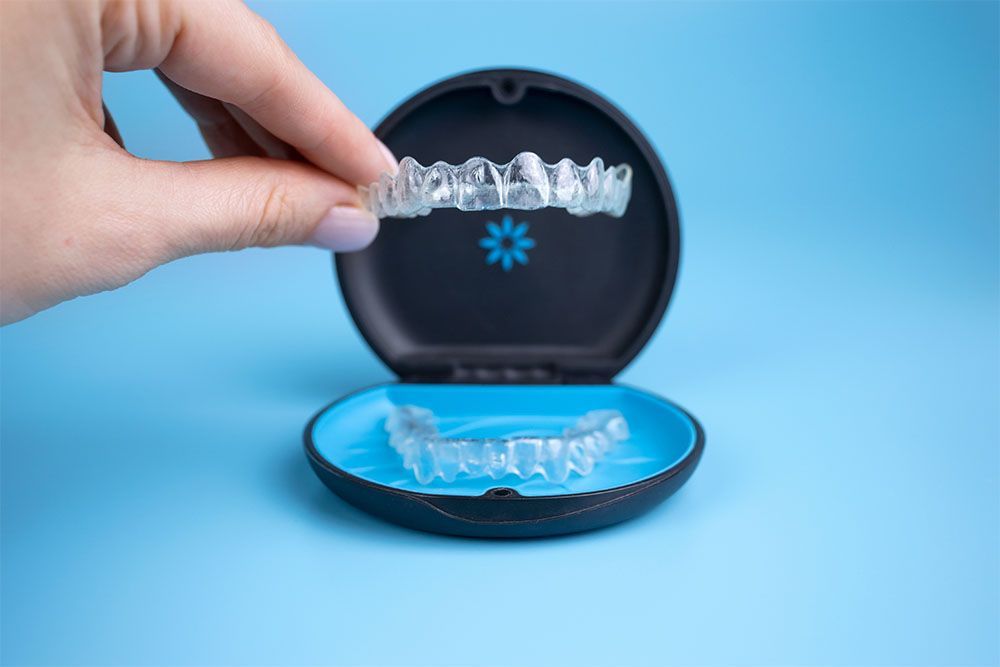
- Store aligners in your aligner case
- Attend routine dental check ups and hygiene appointments
The adjustment period
It's completely normal to experience a brief adjustment period when starting Invisalign or moving to a new set of aligners.
Some patients notice a feeling of pressure or tightness for the first day or two. This is usually a sign that the aligners are working and gradually moving your teeth into position.
For patients who feel nervous about dental treatment, Invisalign is often reassuring because the process is gentle and minimally invasive. There are no brackets to tighten and no wires to adjust, just a series of carefully designed aligners that work progressively over time.
Most importantly, your dental team will be there to support you throughout treatment, answer any questions you have, and help ensure the experience feels as comfortable and straightforward as possible.
When is the right time to get invisalign?
There is rarely a perfect moment to begin orthodontic treatment.
Many people delay treatment because they feel they should wait until life is less busy, but in reality, Invisalign is often designed to fit around everyday life rather than disrupt it.
If you're unhappy with the position of your teeth or have been considering orthodontic treatment for some time, a consultation can help you understand your options without any obligation to proceed.
The cost of Invisalign
Concern about the cost of treatment is the most common reason why people put off dental treatment. Unfortunately, professional dentists are unlikely to give you an accurate quote until they have assessed the complexity of your case and the number of aligners you will need over the course of your treatment.
This cost will be explained clearly during your consultation appointment alongside any available payment options offered.
How regular are check ups?
Your dentist will ask you to attend check up appointments every 6-8 weeks. These appointments are necessary to assess your progress and address any concerns or queries you may have.
This will also be when you receive your next set of aligners.
How long does invisalign take to work?
Invisalign can take anywhere from 6-18 months depending on the complexity of treatment and the issues you wish to resolve.
The only way to know for certain is to have a comprehensive assessment and conversation with your dentist.
Post treatment care
In order to maintain the results of your treatment, you will need to follow some essential aftercare steps:
- Wear your night time retainer for as long as advised
- Maintain excellent oral hygiene
- Attend all follow up appointments
- Continue to eat a healthy, balanced diet
- Avoid smoking
The benefits of Invisalign
While every patient's experience is unique, many people choose Invisalign because it offers an effective way to straighten teeth while fitting comfortably around everyday life.
Gentle movement: Unlike traditional braces, Invisalign does not require regular tightening appointments. Instead, you'll attend periodic review appointments so your dentist can monitor your progress and ensure treatment is moving as planned. Many patients appreciate the convenience of fewer visits, particularly those with busy work schedules or dental anxiety.
Better dental hygiene throughout treatment: One of the challenges of fixed braces is cleaning around brackets and wires. Because Invisalign aligners can be removed, you can continue brushing and flossing as normal throughout treatment. This makes it easier to maintain good oral hygiene and helps reduce the risk of plaque build up, staining, and gum problems while your teeth are being straightened.
Discreet treatment: Invisalign aligners are made from clear, custom fitted material that sits comfortably against your teeth, making them much less noticeable than traditional braces.
Comfortable to wear: Invisalign aligners are designed specifically for your teeth, with smooth edges that fit snugly and comfortably. While it is normal to feel some pressure when changing to a new aligner, Invisalign provides a gentle, comfortable orthodontic experience overall.
Fewer food restrictions: One of the most appreciated benefits of Invisalign is the freedom it provides at mealtimes. Because your aligners are removed before eating, there are fewer restrictions on the foods you can enjoy. Unlike traditional braces, you don't need to worry about avoiding hard, crunchy, or chewy foods that could damage brackets or wires.
A minimally invasive approach: For patients who feel nervous about dental treatment, Invisalign can be particularly reassuring. The process does not involve invasive procedures, and treatment progresses gradually through a series of carefully designed aligners.
Combined with regular support from your dental team, you will feel comfortable and in control throughout your smile transformation.
When Invisalign might not be right for you
Although Invisalign is suitable for many patients, it may not be the right choice in every situation.
Some complex orthodontic concerns may require alternative treatments, while patients who feel they may struggle to wear aligners consistently may achieve better results with fixed “train track” braces. .
If you are living with misaligned teeth that are impacting your confidence or causing persistent oral hygiene issues,
Invisalign treatments could improve your quality of life.
At
West Grove Dental, we have extensive experience in helping patients with dental phobia feel safe, understood, and in control as they undergo treatment. If you live in the Cardiff area and are seeking dental support that gently helps you overcome your fears, or you have a child who is in need of support from a team of highly trained dentists who really listen, please reach out and book an appointment today. You are in safe hands.